
As a 40 year old man who’s only been cycling for 2 years I was very curious to see how my overall fitness and riding abilities have improved or even declined. Now let me be clear, I know I’m not joining the world tour anytime soon and will probably never win a bike race in my life, but I have competed before and I loved it. I leaned on that passion to set some pretty high 2024 goals for myself, especially when we are already almost 1/3 of the way through the year.
I’m going to compete… not participate… compete… in a local road race. I’m going to target a local KOM and work towards beating it this year. And finally, I’m going to enjoy every minute of it, and not let training or competing get in the way of what matters, and that’s trading miles for smiles. Which to me is the most important of the three goals.
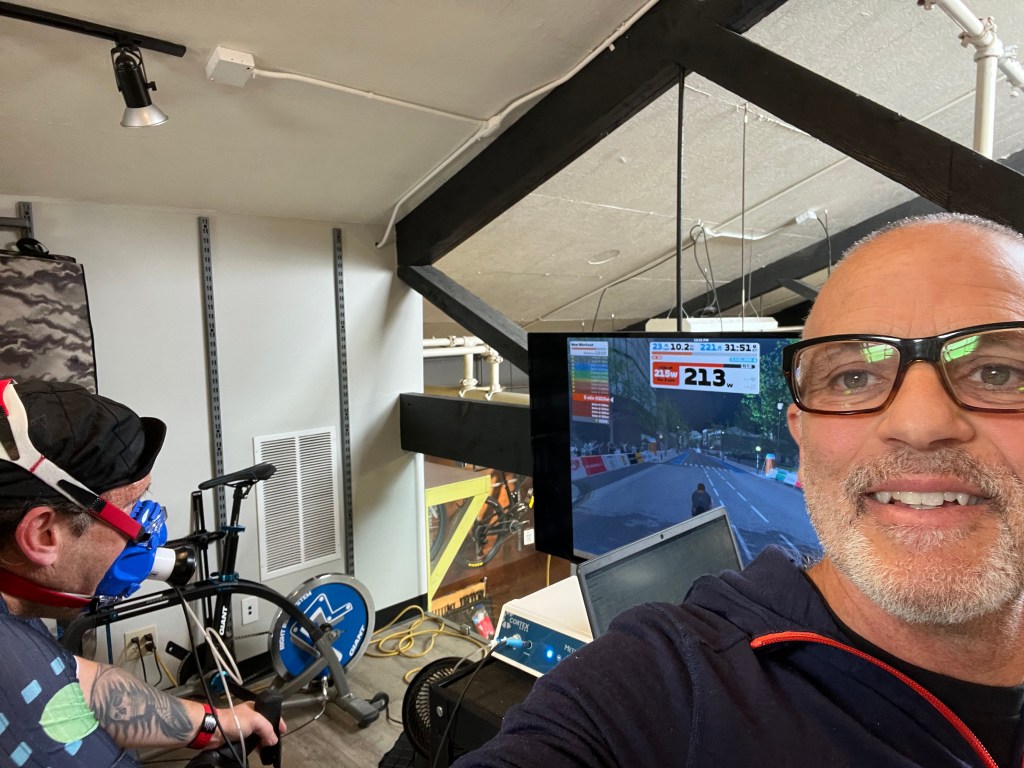
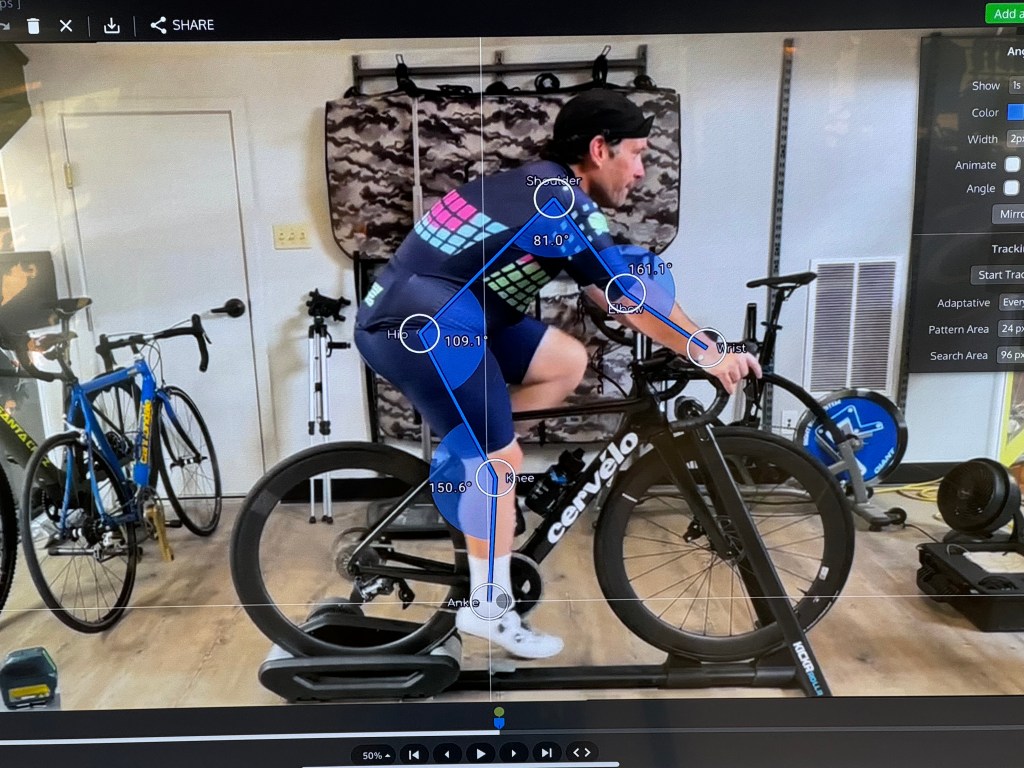
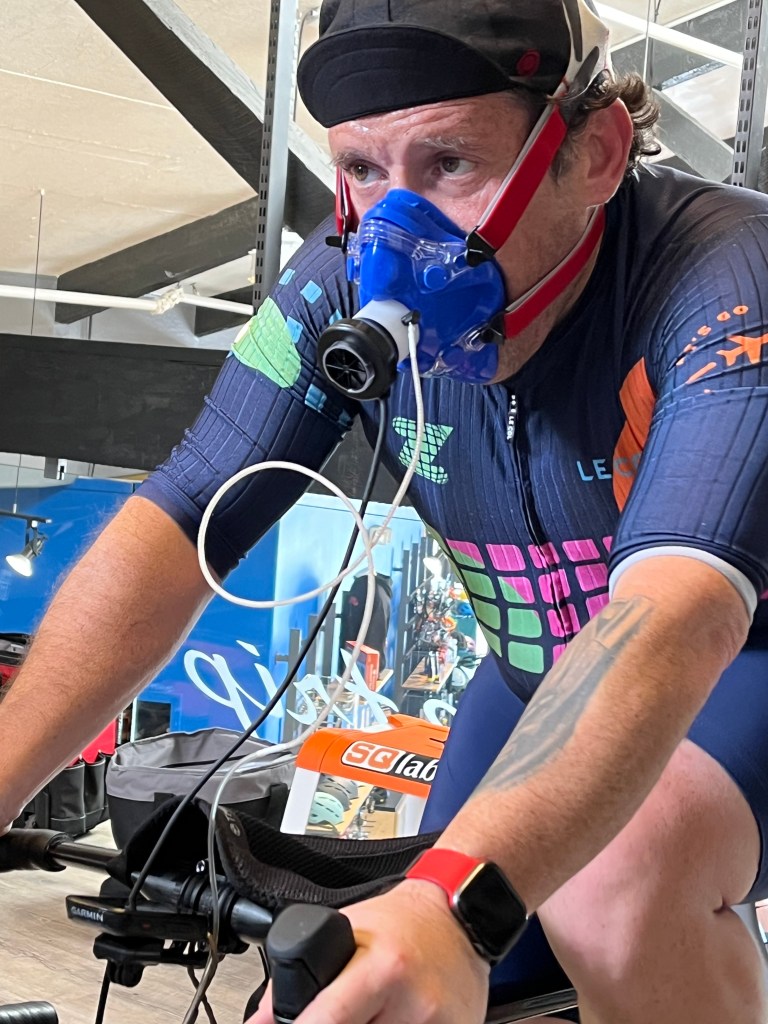
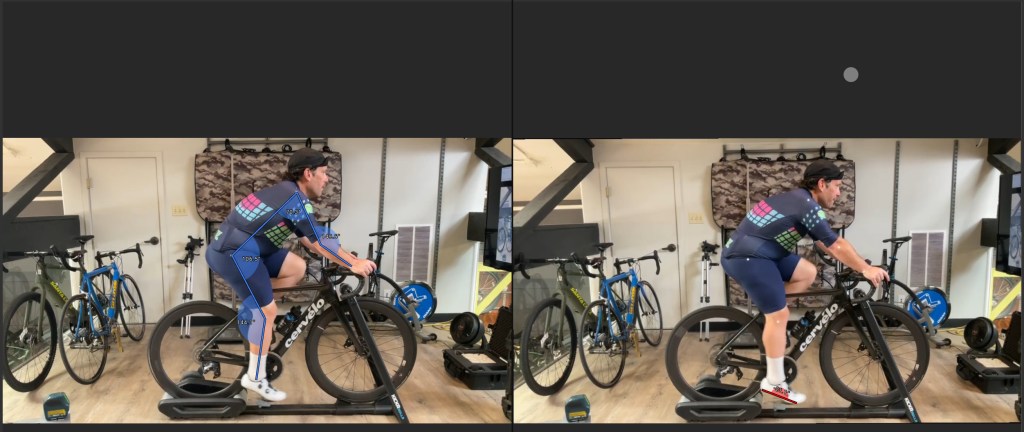
I reached out to my good friend Dave Liotta of BeFit Consulting: http://befitconsultants.com/about-befit-mutlisport-training to discuss a solid bike fit. I wanted to optimize my position on the bike as much as I could and thought an in-depth fit would get me there. After some laughs and catching up, he mentioned that he has a lab upstairs in a Santa Cruz bike shop to be able to do full VO2 and sweat testing. The timing couldn’t have been better for Dave, because that morning I had one of my slowest and weakest rides I’ve had in a long time. So I jumped at the chance to understand what I was doing and what I needed to do because I didn’t want to suffer that slow on the bike like that again. So the following weekend I made the 3-hour trek to Santa Cruz, California with my bike!
My intention in writing this piece is I don’t think many hobby cyclists would ever take the plunge and get these tests done and I’m going to share my preconceived assumptions and ideas of training and then share the realities of what I actually learned in a following piece. And maybe if it helps one person in one area of their lives or riding to find it more enjoyable or more successful then I’ve done what I came here to do. If it doesn’t at least I have a good solid understanding of what I need to do to reach my personal goals.
What I thought I knew.
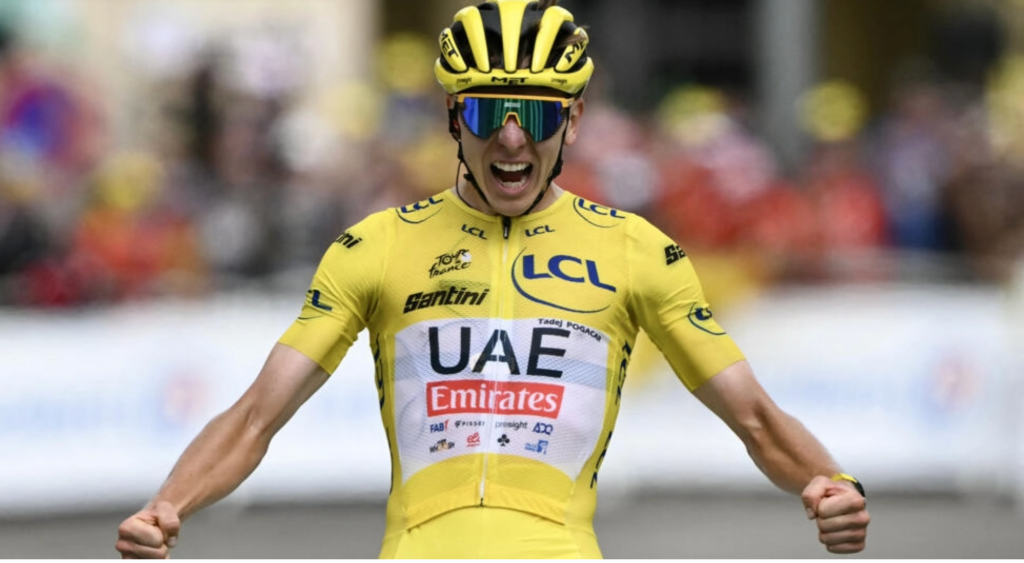
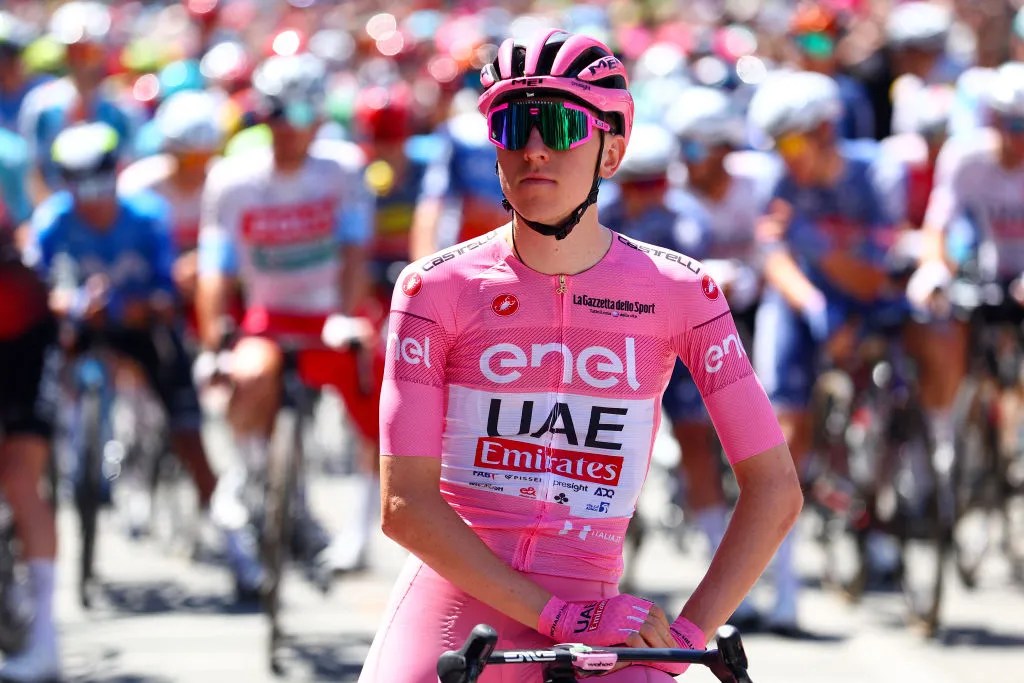
Zone 2 is God. If you’ve consumed the amount of cycling content I have in the last few years, you’ve no doubt fallen into the zone world. Nothing new to other sports, but it seems like it’s taking cycling by storm especially after Tadej Pogačar’s ex-coach Inigo San Milan, explained how the phenom uses huge amounts of zone 2 riding to become the cycling juggernaut he has become. Every coach and performance rider knows the 80/20 rule of 80% Zone 2 and 20% Zone 4 as the general rule of thumb for performance gains in bicycle racing.
What I thought I knew was that every ride I did can be zone 2, as long as the overpasses and yellow street lights had the hard efforts to trigger that physiological response in my body to activate the fast twitch muscle fibers… I feel like a scientist right now. What I didn’t know… was how far down my power numbers went after the winter season hit and the group rides ended. Overpasses and red-light sprints are not enough to stimulate change in your muscle fibers or your central nervous system. And as I say that now it makes complete sense, but I felt like 20% of my ride had those efforts and I was good. But I was wrong.
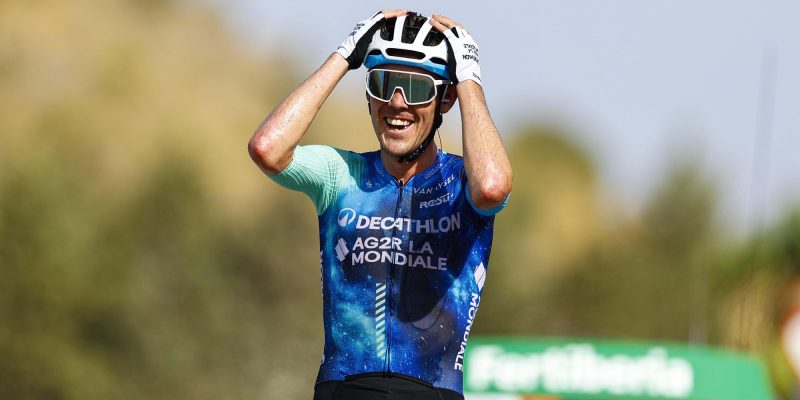
I thought I knew my fit was spot on with possible tweaks of a longer stem and lower saddle height. I’ve always thought Victor Campanaerts, Ben Healy and Remco Evenepoel had the most aero fits in the pro peloton, and I focused on extending and lowering my body while maintaining enough comfort to be able to do 100 mile rides. What I didn’t know… was for most riders who aren’t the three I mentioned, we don’t have the flexibility and power to be able to sustain that in a race setting. Sure gaining 7 watts of aerodynamics is fine, but losing 10 watts of power by not being right over the bottom bracket is just lost watts. And when my strong point is Endurance (I will get into that later), you want to make sure you’re in a position to be able to attack at the end.
I thought I knew about my fueling… I didn’t. I didn’t know any of that and I doubt many of us do after seeing how group rides fuel and seeing the actual data from the Vo2 Test. I even underfueled for the VO2 test and it showed up in the results. Proper fueling can get rid of a lot of those “I just didn’t have the legs” days.
Finally, I thought I knew how much your biological predispositions dictated your rider style. I was disappointed when Dave told me “You have a huge zone two, you’re a marathoner.” Again… deep down I knew that. Doing century rides with two Cliff bars and a Gatorade is not screaming “Fast Twitch Guy over here!” However, I learned that it can quickly change and adapt to becoming any type of rider I specifically trained to be. So my Zone 2 days will stay, but we gotta throw in some more spice! I received my prescribed training program last night and in future weekly pieces, I’m going to go into the specifics with what I feel comfortable sharing because it’s all incredibly interesting to see. That also explains how Lotte Kopecky can go from such a dominant sprinter to a killer puncheur in a single season.
I skimmed the surface in this piece because I’m going in-depth later. I want to make sure the really cool things I learned I focus on and not glaze over in a sentence or two. I’m really glad I made the choice to get the tests done and I hope someone can learn something through my experience too! Remember to come back for the weekly articles about the Bike FIt, Sweat Test, and VO2 testing and I’m going to get back to more peloton coverage as the racing is officially in full swing!


 Inthedraft.bike
Leave a comment